How the Amylin-Based Therapeutics Summit Will Explore the Future of Amylin
As obesity and cardiometabolic drug development continues to evolve, amylin has rapidly emerged as one of the most closely watched mechanisms in the field. What was once viewed primarily as a complementary pathway is now becoming a focal point for developers seeking differentiated approaches to weight management, metabolic disease, and beyond.
With clinical programs advancing across selective amylin agonists, dual GLP-1/amylin approaches, DACRAs, antibodies, oral small molecules, and combination therapies, the question is: which amylin strategy will deliver the most meaningful clinical outcomes?
This is one of the central themes being explored at the inaugural and first-of-it’s-kind Amylin-Based Therapeutics Summit, bringing together leaders across receptor pharmacology, translational science, clinical development, and product strategy to examine the critical decisions shaping the future of amylin R&D.
Moving Beyond Proof of Concept
Several high-profile clinical programs, including Eli Lilly, Novo Nordisk and Zealand Pharma, have helped establish confidence in amylin biology, creating momentum across the biopharma industry.
As more companies enter the space, attention is shifting from proving the mechanism works to understanding how developers can create truly differentiated therapies.
Among the most important questions being investigated are:
- How should companies think about selective amylin receptor agonism versus broader receptor engagement?
- What can emerging clinical data teach us about efficacy and tolerability?
- Which patient populations are most likely to benefit from amylin-based therapies?
- How can translational models better predict clinical performance?
- What characteristics will distinguish future best-in-class therapies?
These questions have become increasingly important as developers seek to define positioning strategies within this competitive landscape.
Decoding Receptor Biology to Enable Better Drug Design
One of the most actively debated areas in amylin development today is receptor pharmacology.
Researchers continue to investigate the role of individual receptor subtypes, signaling pathways, and receptor selectivity in shaping efficacy, tolerability, and body-composition outcomes.
Understanding AMY1, AMY2, and AMY3 receptor activity, alongside calcitonin receptor engagement, could help developers move beyond empirical optimization and toward more mechanism-driven drug design.
At the summit, experts will explore emerging tools, receptor-specific assays, signaling bias, and translational challenges that could help guide future candidate selection and optimization.
Balancing Efficacy and Tolerability
As amylin therapeutics advance through clinical development, another critical discussion centers on the relationship between efficacy and tolerability.
Developers are increasingly focused on understanding:
- The effect of receptor balance and signaling profiles
- The impact of exposure and half-life
- Dose-escalation strategies
- Gastrointestinal tolerability
- Long-term treatment adherence
Achieving meaningful weight loss while maintaining a favorable patient experience remains one of the biggest opportunities and challenges in metabolic drug development. At the summit, explore how molecular design decisions translate into clinical outcomes and where amylin may offer advantages compared with existing treatment options.
Defining the Role of Amylin in the Treatment Landscape
As the field matures, developers are also looking beyond molecule design to assess where amylin fits within future treatment paradigms.
Important questions our speakers explore are:
- Could amylin serve as an alternative for patients who do not respond optimally to GLP-1 therapies?
- What role might amylin play in maintenance therapy following weight loss?
- When should amylin be used as monotherapy versus in combination?
- How should future clinical trials be designed to demonstrate differentiation?
Exploring Opportunities Beyond Obesity
While obesity remains a major focus, researchers are increasingly evaluating where amylin biology could create value across broader cardiometabolic and chronic disease indications.
Areas attracting growing interest include:
- Type 1 diabetes
- MASH
- Kidney disease
- Cardiovascular outcomes
..to name a few.
As understanding of the mechanism expands, we’ll explore how these opportunities could help define the next chapter of amylin innovation.
Join the Conversation at the Amylin-Based Therapeutics Summit
The inaugural Amylin-Based Therapeutics Summit has been designed specifically for the scientists, clinicians, and industry leaders advancing amylin therapeutics. Over three dedicated days, attendees will explore receptor biology, translational challenges, clinical strategy, patient positioning, and next-generation development approaches through focused discussions with peers actively shaping the future of the field.
Whether you are developing selective amylin agonists, combination therapies, DACRAs, antibodies, or novel modalities, this is an opportunity to benchmark strategies, challenge assumptions, and gain insights that can inform the next generation of amylin-based medicines.
Explore the Agenda
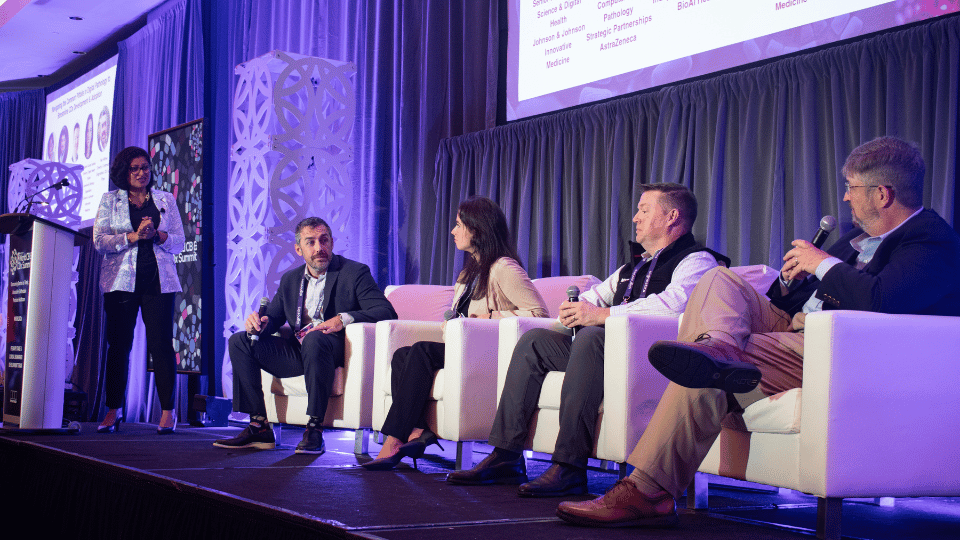
Dive into the latest advances in amylin drug development, from receptor biology and translational challenges to clinical differentiation, combination strategies and commercial opportunity through presentations, roundtables and panel discussions.
Partner With Us
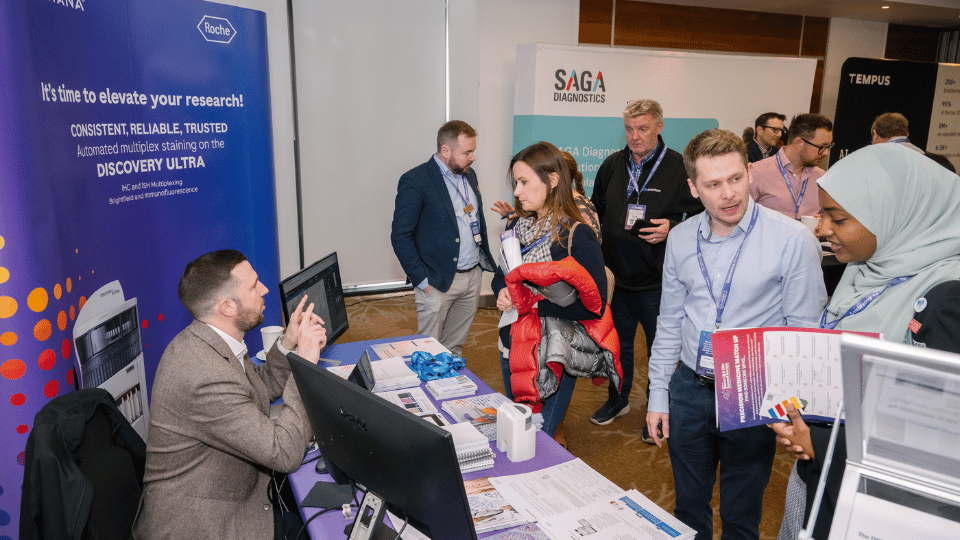
Position your company alongside leading amylin developers and showcase the tools, technologies and services helping biopharma accelerate next-generation amylin programmes.
Join Amylin Experts
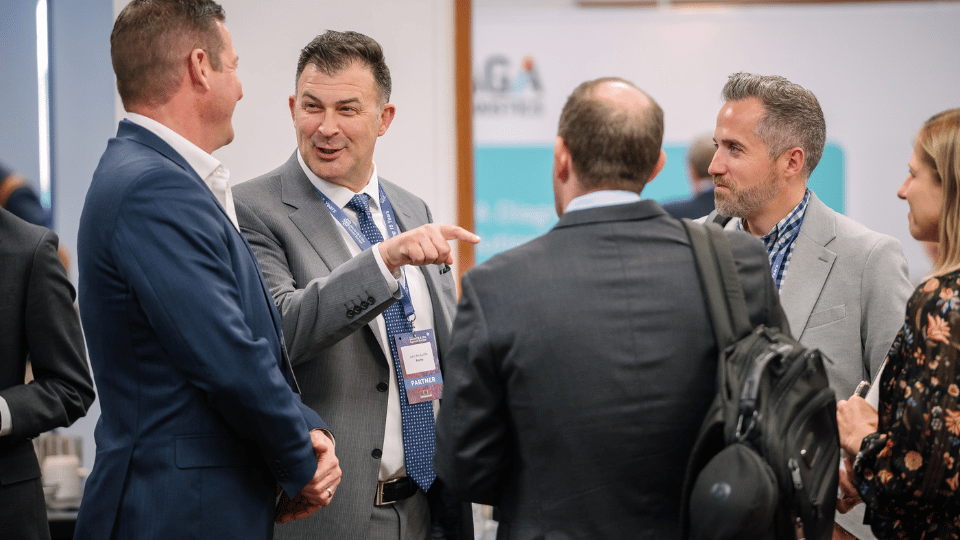
Connect with the scientists, clinicians and decision-makers shaping the future of amylin therapeutics across discovery, preclinical, clinical and commercial development.