
Meet the Speaker
Professor Thomas Lutz is Professor of Veterinary Physiology at the Institute of Veterinary Physiology, University of Zurich, Zurich, Switzerland. He graduated in veterinary medicine from the Free University of Berlin, Berlin, Germany, obtained his Dr. med. vet. from the Institute of Veterinary Physiology, University of Zurich and a PhD from the University of Queensland, Brisbane, Australia. Professor Lutz was the Head of Research Group and then Professor for Applied Veterinary Physiology at the Institute of Veterinary Physiology before becoming Professor of Veterinary Physiology in 2008. He is also the Director of the Steering Committee of the One Health Institute, University of Zurich. Professor Lutz has published 280 articles in scientific journals.

Interview with Thomas Lutz
Since beginning your research on amylin in the early 1990s, how have you seen the field evolve?
This has been a fascinating journey, because the amylin field was really not very well recognized by large parts of the scientific community, and this has totally changed now. People now understand that negative effects (amylin fibrils being part of the pathophysiology of beta-cell destruction in type 2 diabetes) and the positive metabolic effects of amylin and amylin analogs are not a contradiction but reflect the complexity of amylin.
What do you think have been the key milestones for the industry, and for your own research, during that time?
Knowing where amylin acts, defining the responsible receptors, and understanding how amylin interacts with other hormones controlling metabolism. Our knowledge is still fragmentary, but we know so much more than 20 years ago.
Which current developments are you most excited about - both within your own work and across the wider field?
The development of these amylin analogs that have very good efficacy and that seem to be safe, this is really exciting. Being able to translate the many years of basic research into something that seems to be useful is nice to see.
What do you see as the main challenges that still need to be overcome to translate these developments into clinical reality?
To understand the exact biology of the different amylin receptor subtypes, their specific effects, and also to understand better the translation from experimental animals to people. Further, to understand which patient may benefit better from one type of therapy than from another one.
Looking ahead, what are your hopes and expectations for the future of amylin research in the short and long term?
To see them introduced to the market and to allow clinicians to have a choice of good and safe treatments for diabetes and obesity.
Finally, what are you most looking forward to about the Amylin-Based Therapeutics Summit?
The interaction among good colleagues and also to learn more about different people's perspectives, opinions and expectations.
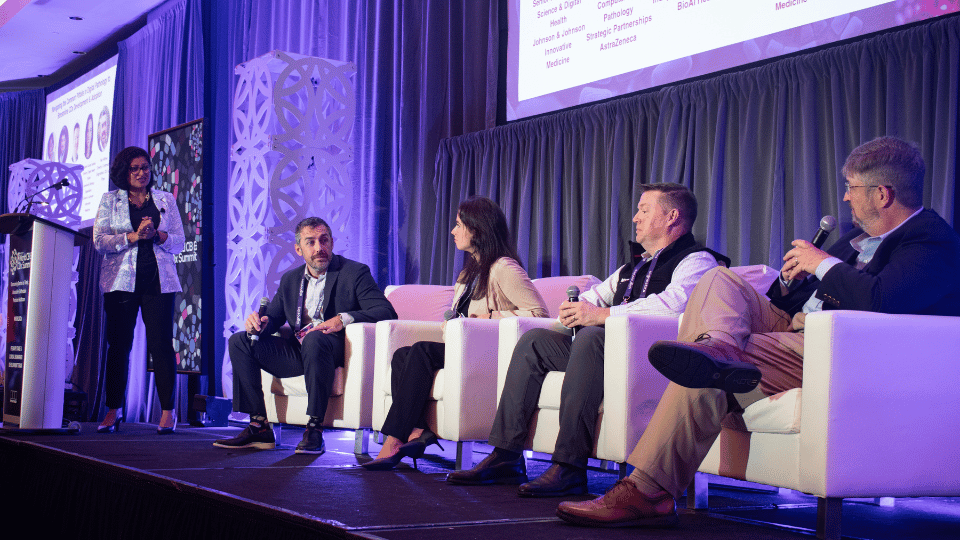
Explore the Agenda
Dive into the latest advances in amylin drug development, from receptor biology and translational challenges to clinical differentiation, combination strategies and commercial opportunity through presentations, roundtables and panel discussions.
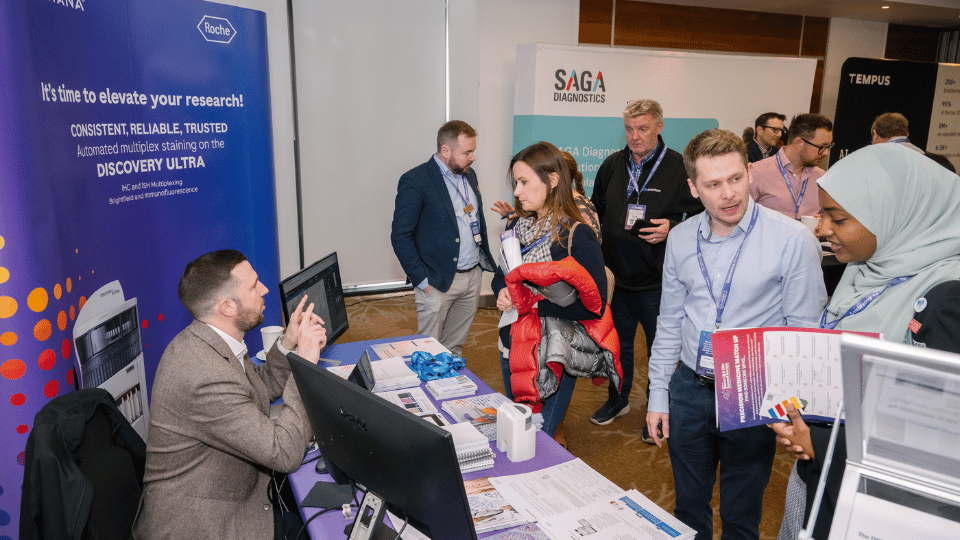
Partner With Us
Position your company alongside leading amylin developers and showcase the tools, technologies and services helping biopharma accelerate next-generation amylin programmes.
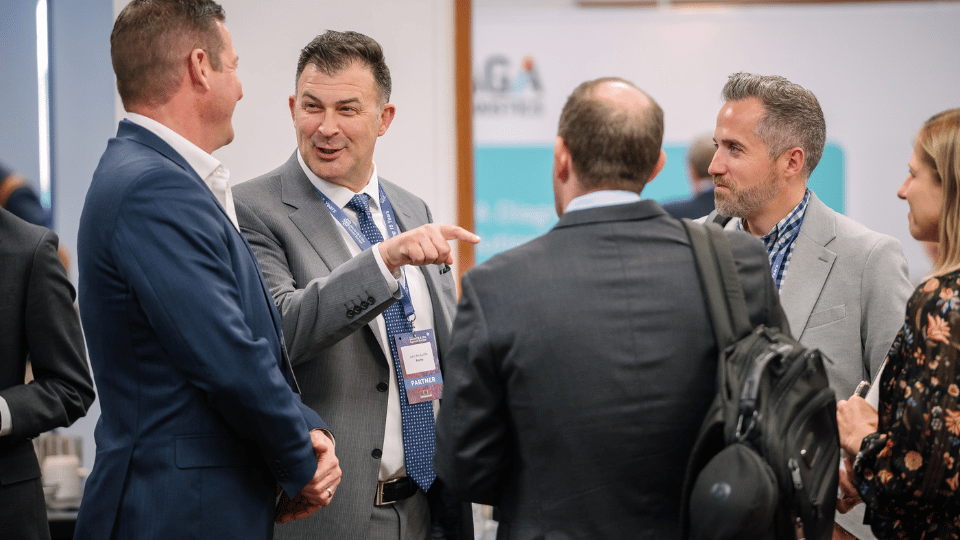
Join Amylin Experts
Connect with the scientists, clinicians and decision-makers shaping the future of amylin therapeutics across discovery, preclinical, clinical and commercial development.